

therapy
trauma & EMDR
Trauma therapy for adults experiencing cPTSD, PTSD, and more.
Based in Kansas City, Missouri
Virtual Therapy in Missouri, Kansas, Colorado, and Wisconsin.
Trauma can leave deep scars, but it doesn’t have to shape your entire life. Whether it’s through talk or somatic therapy, we’ll work together to process and release the pain that’s holding you back. It’s time to reconnect with your true self and move toward a future where trauma
no longer controls you.
You deserve peace, and I’m here to help you find it.
your trauma doesn’t define you
but healing can.

Examples of
trauma therapy
Not an exhaustive list.
-
Living in a constant state of stress, hypervigilance, or emotional shutdown can take a toll over time. You might feel on edge, exhausted, or disconnected from yourself. Treatment may include nervous system regulation, grounding strategies, and trauma-informed approaches such as EMDR or parts-based work, depending on what feels most supportive.
-
Early experiences shape how we learn to cope, connect, and feel safe in the world. Even without a single defining event, emotional neglect or chronic stress in childhood can leave lasting imprints. Therapy may involve gently exploring these experiences using a combination of EMDR, parts work, and relational approaches, at a pace that feels manageable.
-
Relational wounds often show up as fear of closeness, people-pleasing, or emotional withdrawal. These patterns are often rooted in past experiences rather than present-day relationships alone. I integrate attachment-informed therapy, parts work, and trauma processing approaches like EMDR to support healing and healthier connection.
-
Some experiences remain “stuck” as a specific memory or body response long after they’ve passed. Accidents, medical events, or sudden losses can continue to activate distress. When appropriate, EMDR may be used alongside grounding, resourcing, and other trauma-informed techniques to help reduce the emotional charge of these memories.
-
Repeated or ongoing trauma can affect self-worth, emotional regulation, and a sense of safety over time. Reactions may feel disproportionate or hard to control. Treatment often involves a layered approach that may include stabilization, parts-based work, and trauma processing methods such as EMDR, guided by your readiness and needs.
-
Trauma responses don’t always appear as clear memories and may show up as intrusive thoughts, emotional flashbacks, or body sensations. These experiences can feel sudden and overwhelming. Therapy may include grounding skills, parts-informed work, and trauma processing approaches like EMDR to help these responses become less intense and disruptive.
-
Experiences of marginalization, discrimination, or identity invalidation can deeply impact emotional safety and self-trust. Over time, these experiences may accumulate and affect how you relate to yourself and others. I use affirming, systemic and trauma-informed approaches that may include EMDR and parts work to support healing within the broader social context of your experience.
My work is trauma-informed and integrative. While I am trained in EMDR, it is not the only approach I use. Sessions may also include parts-based work, nervous system regulation, attachment-focused therapy, and relational processing, guided by your needs, pacing, and readiness.

HOW THERAPY
CAN HELP WITH TRAUMA

Trauma has a way of lingering, resurfacing in unexpected ways like a hidden wound that keeps reopening, no matter how many times you think it’s healed.
Trauma can echo through your life, affecting your sense of safety, your relationships, and your ability to trust yourself and others. You may find yourself reliving moments of fear, anger, or confusion, or maybe you’re just feeling emotionally disconnected from the world around you. It’s heavy, exhausting, and it can feel like the weight of it all is too much to carry. But you don’t have to face it alone.
Therapy, and especially EMDR, offers a pathway to heal these deep wounds by helping you process the trauma, reconnect with yourself, and regain control over your life.
Here, we will:
Create a safe space for healing: No rush to “move on.” Just room to feel, process, and rebuild.
Unpack the trauma: We’ll work through the events and their emotional weight, helping you make sense of what happened.
Process difficult memories: EMDR will help you reframe and shift negative beliefs and memories that hold you back.
Reclaim your life: Over time, we’ll work toward a future where trauma no longer controls you.
Healing doesn’t mean forgetting; it’s about finding a way to live fully again, free from the past’s grip.

there is more than one way to heal
we will find yours
FAQs and Fees
If you’re interested in pursuing therapy and are curious about the fees and questions often asked about the experience, click the button below!
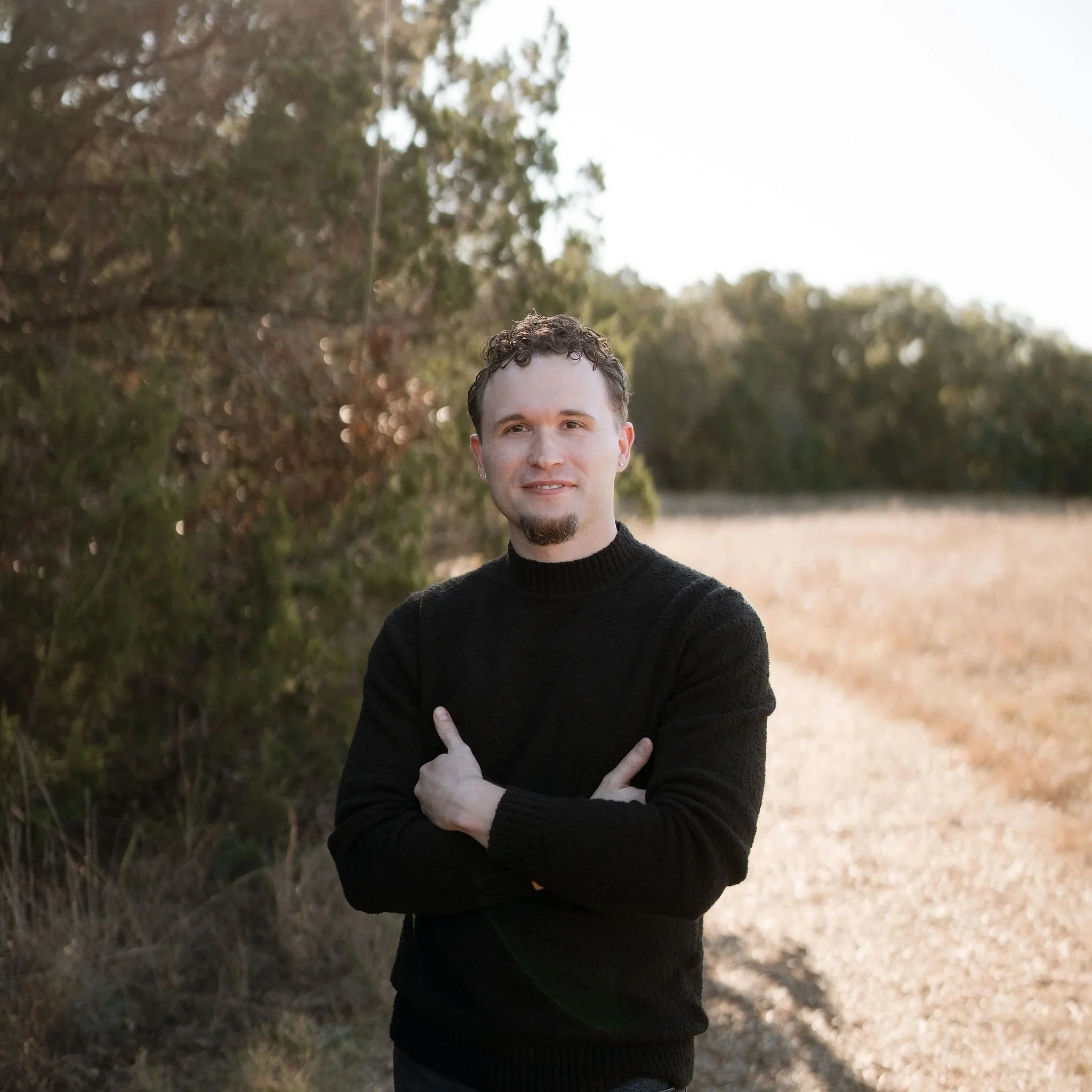
Follow the links below to check out more about me as a person and the values I carry! If it doesn’t seem like a good fit, that is absolutely okay. If you think we’d get along great, you can click the button below to reserve a seat!